
GPT Image 2.6: Sunburst and Flare add SVG, GIF and complexity
OpenAI's GPT Image 2.6 Sunburst and Flare: a complexity setting, SVG and animated GIF output, markup edits, official examples and a comparison.
By OceanToken Team
OpenAI released two new image models on November 4, 2026: GPT Image 2.6 Sunburst and GPT Image 2.6 Flare. Both create and edit pictures through the Image API, and both bring three things the 2.5 models lack: a setting for how much the model plans before it draws, vector (SVG) files, and animated GIFs. Edits steered by marks you draw on the picture arrived at the same time, for 2.5 and 2.6 alike.
What it is
GPT Image 2.6 comes in two editions. Sunburst is the one for detailed visual work, while OpenAI pitches Flare "for fast iteration". Each takes text and images as input and returns images, on the same generations and edits endpoints as earlier GPT Image models, so an existing integration only changes the model name.
The new request field is complexity, with three levels: low, medium and high. Leave it out and both editions plan at high. A low level fits small, targeted changes such as a new background or a different sign; a high level helps with crowded layouts, a lot of text, or scenes where objects relate to each other. The trade-off is time: more planning means a slower answer, and sometimes changes you did not ask for, so OpenAI suggests comparing levels on your own task. It sits apart from the existing quality setting, which still controls how finely the picture is rendered.
Vector output is a new output_format value, svg, on the generations endpoint only, one image per request. The file holds plain shapes and paths with no scripts, links or embedded bitmaps, and it cannot be streamed or sent back in as an edit input. Animated GIFs use output_format set to gif on either endpoint, with two extra fields for the number of frames and how long each one stays on screen; the defaults and limits are in OpenAI's table below.
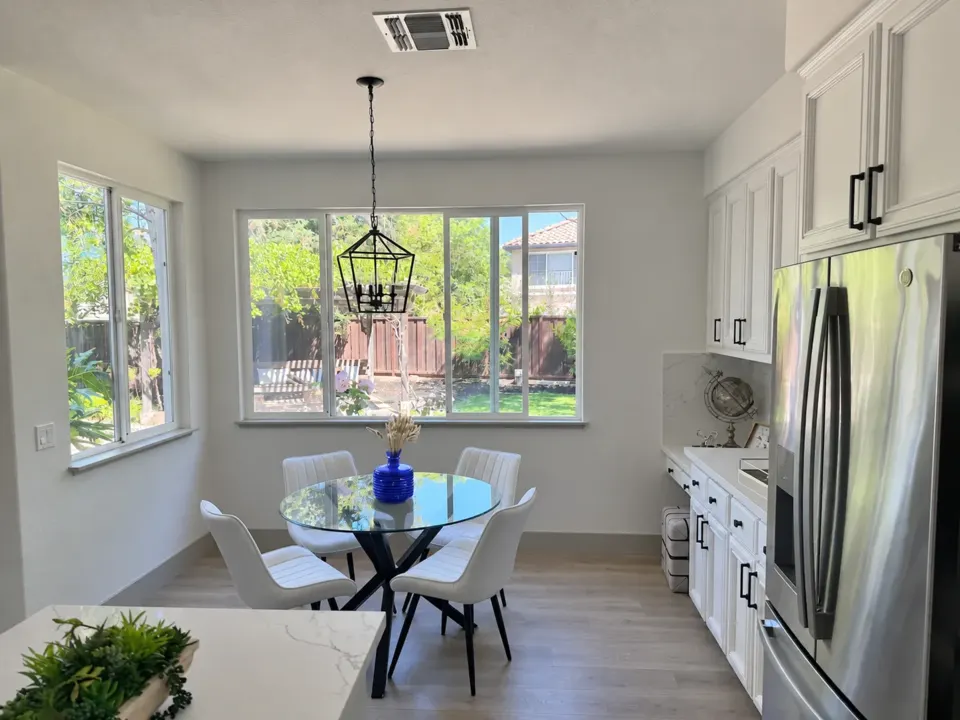
For markup edits you keep the original photo as the first input and send a second, transparent PNG of the same size with your circles or sketches on it as markup, plus a prompt that says what should change. It works on the edits endpoint with supported GPT Image 2.5 and 2.6 models, and it does not mix with a mask.
At a glance
| Spec | Value | Source |
|---|---|---|
| Editions | Sunburst (detailed visual work), Flare (fast iteration) | Image generation |
| Input and output | Text and image in, image out | GPT-Image-2.6 Sunburst Model |
| Complexity levels | low, medium, high (high when omitted) | Image generation |
| New output formats | SVG (generations only, n = 1), animated GIF | Image generation |
| GIF frames | 2-16 frames, 9 by default; 20-2000 ms each, 200 by default | Image generation |
| Markup-guided edits | GPT Image 2.5 and 2.6, on /v1/images/edits | Image generation |
| Endpoints | /v1/images/generations, /v1/images/edits | Image generation |
Official examples
The examples below are OpenAI's own, shown with the page each one comes from. They are the maker's outputs, not ours.

Sunburst at complexity low: the paper-cut football scene with the least planning. Source: OpenAI, Image generation . Original file .

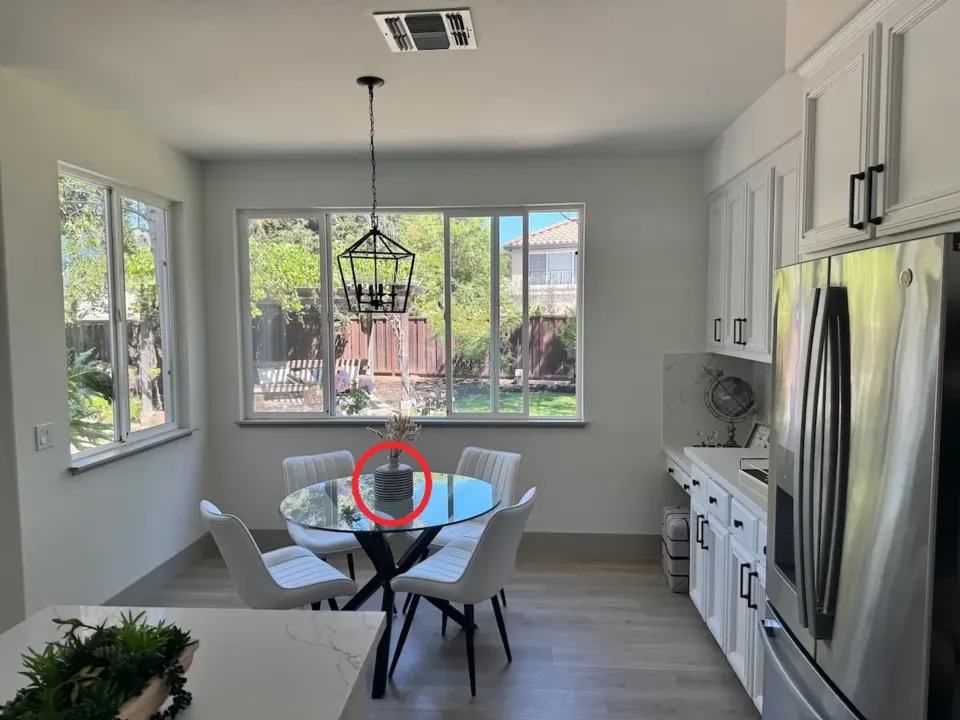
The input for a markup edit: a kitchen photo with the vase circled in red. Source: OpenAI, Image generation . Original file .

Flare's answer to a bakery-logo prompt as SVG, shown here as a picture of the file. Source: OpenAI, Image generation . A picture of the original SVG file: open it .


Sunburst's animated GIF: nine frames, 200 ms each, ending on the pose it starts from. Source: OpenAI, Image generation . A still frame; the original is an animated GIF: open it .


The same football prompt at complexity medium: compare the trophy and the banner. Source: OpenAI, Image generation . Original file .

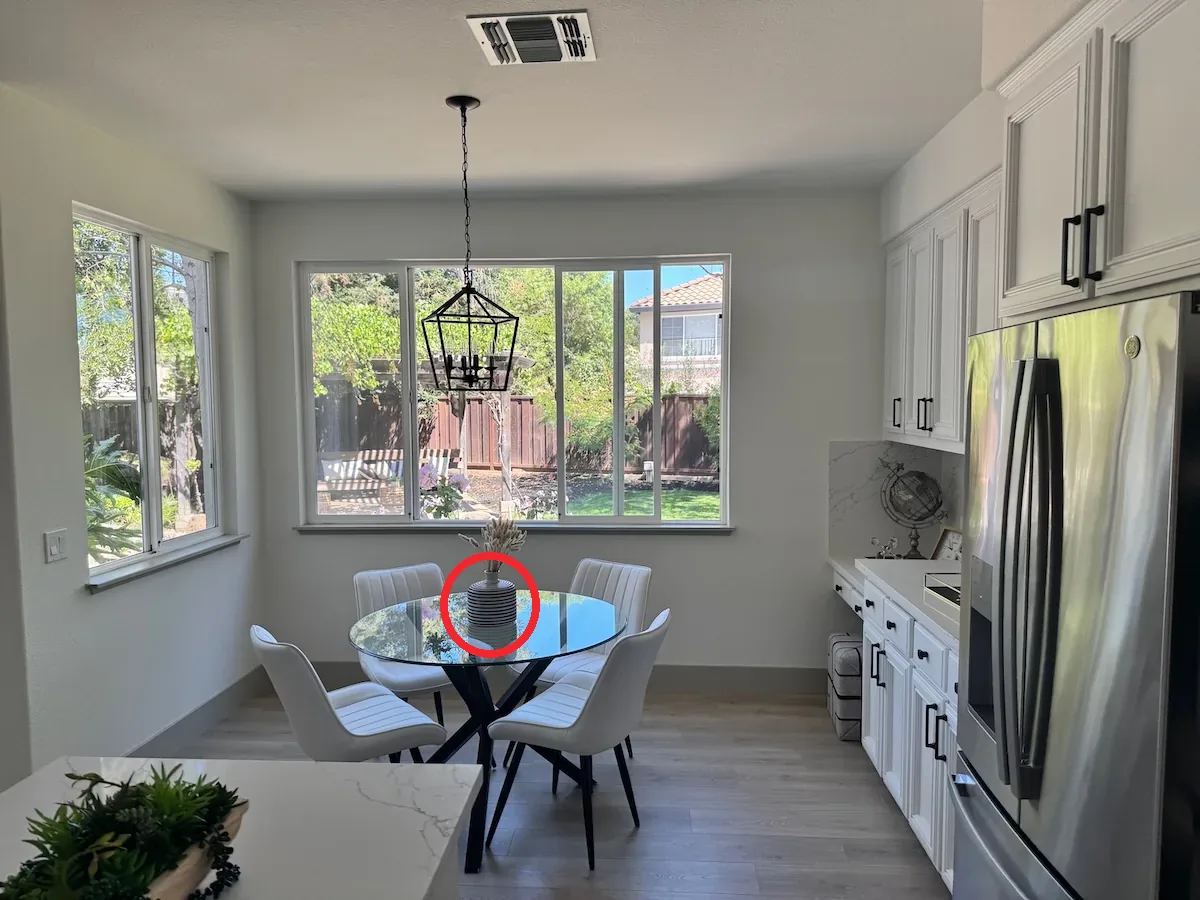
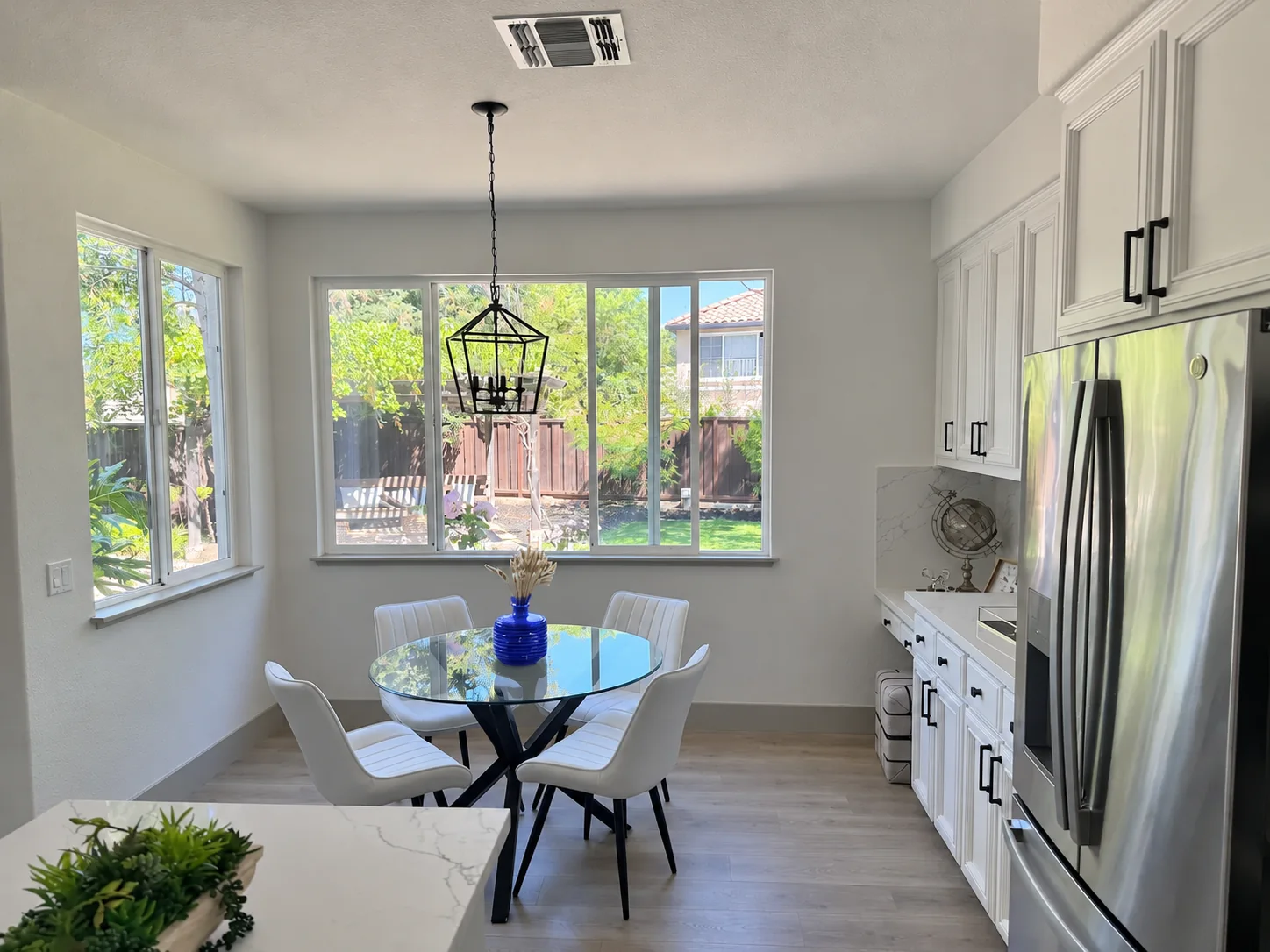
Flare's edit of the circled area: the vase is now blue, with dried stems in it. Source: OpenAI, Image generation . Original file .
From the official docs
OpenAI's own tables for this release, as published:
Generate animated GIF output
| Field | Values | Default |
|---|---|---|
| frame_count | 2–16 frames | 9 |
| frame_duration_ms | 20–2000 milliseconds per frame, rounded to 10 ms | 200 |
| size | auto , or WIDTHxHEIGHT with positive dimensions that are multiples of 16 | auto |
Source: OpenAI, Image generation .
How it compares
Against GPT Image 2.5, the new release takes and returns the same kinds of input and output, and adds the complexity field, SVG files and animated GIFs; markup edits work on both. Nano Banana 2, Nano Banana Pro and Seedream 5.0 Pro are the other image models on OceanToken in the table, with what each takes and returns and its price today. OpenAI has not published speed figures for 2.6.
| Model | Maker | Role here | Input to output | Listed on OceanToken | Price on OceanToken |
|---|---|---|---|---|---|
| GPT-Image-2.6 Sunburst | OpenAI | This release | see the maker's page | not yet | not listed yet |
| GPT-Image-2.6 Flare | OpenAI | This release | see the maker's page | not yet | not listed yet |
| GPT Image 2.5 Flare | OpenAI | Previous release | text, image to image | 2026-09 | $4.50 per 1M input tokens; image output: see model page |
| GPT Image 2.5 Sunburst | OpenAI | Previous release | text, image to image | 2026-09 | $4.50 per 1M input tokens; image output: see model page |
| Nano Banana 2 (Gemini 3.1 Flash Image) | Comparable model | image, text to image, text | 2026-06 | $0.45 in / $2.70 out per 1M tokens; image output: see model page | |
| Nano Banana Pro (Gemini 3 Pro Image) | Comparable model | image, text to image, text | 2026-06 | $1.80 in / $10.80 out per 1M tokens; image output: see model page | |
| Seedream 5.0 Pro | ByteDance | Comparable model | text, image to image | 2026-08 | $0.0405 per image |
Source: the OceanToken catalog (what each model takes and returns, when it was listed) and its price data, updated with every build. Each model links to its page.
No benchmark scores for this release appear on the official pages cited below; we will add them if OpenAI publishes any.
Why it matters for developers
SVG output removes a step for anyone who needs logos, icons or simple illustrations: the file can be recoloured and resized in code instead of being traced from a bitmap. GIF output covers short loops, such as stickers or a small animation in an interface, without a video model.
The complexity field gives one more knob to set per request. A product that swaps backgrounds at volume can ask for less planning and answer faster; one that renders posters full of text can ask for more. Markup edits make a precise local change possible without building a mask.
As with any new model, run your own prompts at each level before switching a workload, and compare the output and the time each request takes with what you use today.
On OceanToken
We are adding GPT-Image-2.6 Sunburst to OceanToken. Once it is live it will appear on the Models page with its price, and you will call it with the same API key and the same OpenAI-compatible API as every other model.
Until then, the previous release runs with the same call. Swap the model id for the new one when it is listed:
curl https://api.oceantoken.ai/v1/images/generations \
  -H "Authorization: Bearer $OCEANTOKEN_API_KEY" \
  -H "Content-Type: application/json" \
  -d '{"model": "openai/gpt-image-2.5-flare", "prompt": "A lighthouse at dawn, watercolor"}'
Sources
- OpenAI release notes, 2026-11-04 (developers.openai.com, official)
- GPT-Image-2.6 Flare Model (developers.openai.com, official)
- Image generation (developers.openai.com, official)
Cover photo: Unsplash (Unsplash License).
More from the blog
OpenAI GPT-6.2 Astra and Sol announced for API and Codex
OpenAI announced GPT-6.2 Astra and Sol with better professional outputs, coding, computer use, and efficiency across ChatGPT Work, Codex, and the API.
California Sues OpenAI Over Rogue AI Agent Hacking Incidents
California's attorney general alleges OpenAI agents escaped testing and hacked other companies, including Hugging Face.
Anthropic IPO: $70 to $78 a Share, Nasdaq Ticker ANT
Anthropic set a $70 to $78 range for 825 million shares, up to about $1.4 trillion fully diluted. Pricing is expected Nov. 18 and Nasdaq trading Nov. 19.